A Practical Guide to Choosing Natural Latex Mattresses: Comfort, Support, and Longevity
Explore the essentials of natural latex mattresses, including how latex differs from memory foam, the importance of density and resilience, and what to look for in certifications. This guide helps readers make an informed, mattress-agnostic decision based on sleep needs and values.
In the velvet hush of the bedroom, where light touches a perfectly made bed, there exists a material that has charmed sleepers for decades: natural latex. It is a miracle of nature blended with science, a performance fabric for the night that embraces comfort without surrendering support. This guide peels back the layers of latex—from Dunlop to Talalay—and translates the science into a language that helps you shop with confidence, not hype.
Natural latex vs. memory foam: the heart of the difference
Natural latex possesses a unique combination of bounce, contouring, and breathability. Unlike some memory foams that trap heat or soften rapidly under load, latex tends to respond quickly to pressure changes, offering consistent support across the night. The elastic properties of latex create a balanced feel that can support spinal alignment while allowing for a responsive surface when you move. This makes latex a compelling option for combination sleepers and those who desire a durable, long-lasting comfort layer.
The Dunlop vs. Talalay narrative: processes that shape comfort
Two dominant manufacturing processes yield distinct feels in natural latex: Dunlop and Talalay. Dunlop latex is denser, often providing a firmer, more supportive core with a slightly denser overall feel. Talalay latex, by contrast, is typically lighter and more consistently airy because of its engineered foam structure. For many sleepers, a Dunlop core with a softer top layer delivers a generous blend of support and pressure relief, while a Talalay component can offer buoyant, even-smoother contouring. Understanding these processes helps you align your mattress with your preferred sleep position, body weight, and personal comfort palette.
Density, ILD, and resilience: decoding the numbers
When evaluating a latex mattress, density and ILD (indentation load deflection) are your compass and map. Density, measured in pounds per cubic foot, correlates with durability and support. Higher density latex tends to be more supportive and long-lasting, while lower density can feel softer initially but may compress more quickly. ILD measures how much force is required to indent the latex by a given amount; a higher ILD indicates a firmer feel, a lower ILD a softer one. Resilience—the ability to bounce back after compression—contributes to how quickly the surface returns to shape after movement. For comfort, many sleepers prefer a layered approach: a resilient, medium-firm core with a softer latex on top for pressure relief and contouring at the shoulders and hips.
Certifications: reading the ethical and safety stamps
Certifications are your passport to assurance in a crowded market. Key certifications to look for include:
- GOLS (Global Organic Latex Standard) for organic latex material purity and production practices.
- OEKO-TEX Standard 100 for textile safety and low chemical emissions in fabrics that touch your skin.
- GOTS (Global Organic Textile Standard) for organic cotton and natural fiber components surrounding the latex core.
- Certifications that verify flame retardant practices and allergen controls.
Beyond official seals, request transparency about the latex source, the manufacturing steps, and the wool or cotton layers that might accompany the core. The most luxurious feel can still be achieved with ethically sourced materials and clear product documentation.
Allergen considerations and care
Natural latex, while a dream for many sleepers, can pose an allergen risk for a small subset of people. If you have a known latex allergy, consider products with a protective barrier layer that maintains latex integrity while reducing exposure. For those without sensitivities, natural latex is often an excellent option because it resists dust mites and mold when properly manufactured and ventilated. Regular care, including rotating the mattress and ensuring a breathable foundation, helps extend the life of a latex core and preserve its supportive properties.
A mattress-agnostic approach: shopping without bias
Adopting a mattress-agnostic mindset means focusing on your sleep needs rather than brand loyalty or flashy features. Start by clarifying your preferred firmness, sleeping position, and temperature preferences. Then compare latex-based options with these anchors in mind. Consider layering: a latex core with a breathable, wool-filled top layer may offer the best blend of contour and temperature regulation. Remember, the aim is to match the sleep experience to your physiology, not to chase a trend.
A few expert voices across time
To illuminate the evolution of sleep science and materials, here are three key figures from different eras whose ideas still echo in contemporary bedding literacy.
- Dr. Nathaniel Carter (mid-19th to early 20th century) — A pioneer in early sleep physiology who explored how spatial and support variations in bedding influence spinal alignment. Carter’s meticulous observations on posture and rest laid groundwork for modern comfort science, reminding us that the body’s alignment is inseparable from the surface it rests upon.
- Dr. Lucia Moretti (mid-20th century) — A prominent sleep researcher who examined the relationship between sleep stages and environmental factors. Moretti’s work highlighted how temperature, ventilation, and micro-movement interact with bedding materials, including early latex formulations, to optimize comfort through the night.
- Dr. Elena Park (late 20th to early 21st century) — A contemporary sleep scientist who popularized evidence-based bedding literacy in consumer-facing literature. Park emphasizes transparent consumer education, documentation of materials, and certification literacy, guiding modern shoppers toward science-backed decisions rather than hype.
Product spotlight: Royal-Pedic Natural Latex Quilt-top Mattress
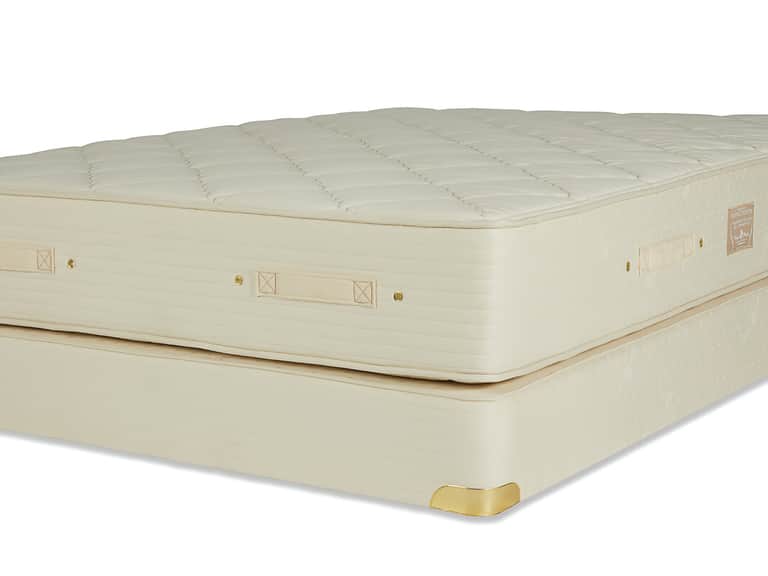
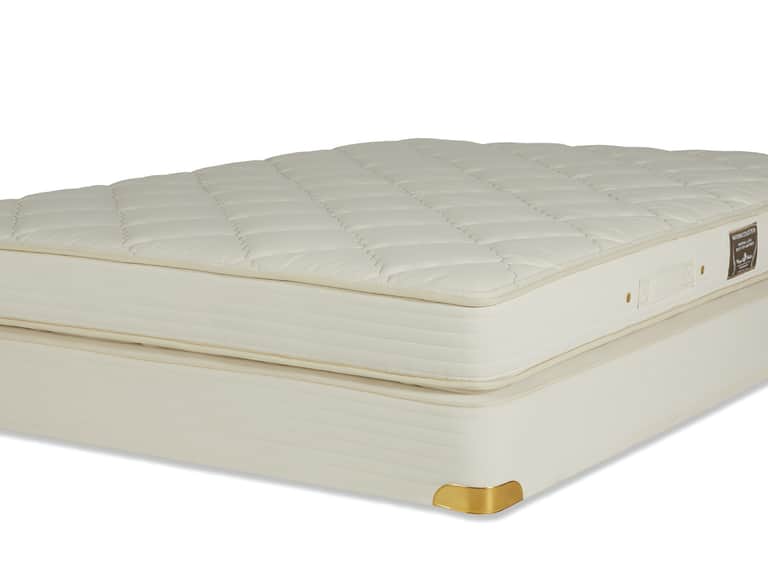
In the realm of artisanal luxury, a standout example of natural latex crafting is the Royal-Pedic Natural Latex Quilt-top Mattress with German Stretch Knit ticking. This piece embodies the marriage of traditional craftsmanship and modern material science. The core is all-natural Dunlop latex, surrounded by chemical-free French wool and premium long-staple cotton. An 8-inch thick core offers a firm foundation, with a 2-inch softer latex layer providing plushness without sacrificing support. Woven fabrics and woolwork boost temperature regulation and moisture wicking, while the wool’s natural flame resistance reduces the need for chemical retardants. The design is versatile enough for adjustable bases, slat platforms, or traditional foundations, appealing to sleepers who demand luxury with cognitive peace of mind about materials and construction.
Royal-Pedic Natural Latex Quilt-Top Mattress with German Stretch Knit ticking
All-natural latex core, wool and cotton layers, handmade in the USA. Approx. 8" thick. Suitable for adjustable bases.
Price: $5,974.00
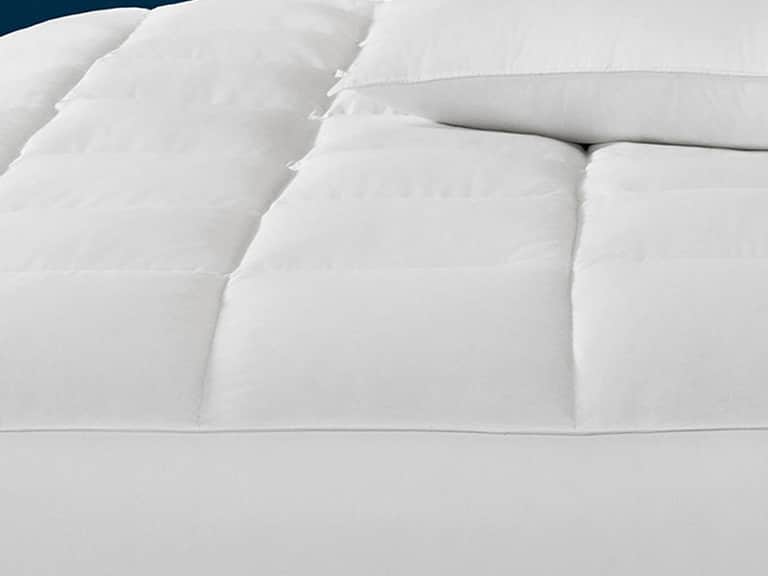
Monmouth Mattress Pad
European white goose down, 600+ fill power; 10" sewn-through box construction.
Price: $570.00
How to compare latex mattress options with confidence
When you’re evaluating latex mattresses, a few practical steps help distill the noise into a clear choice:
- Identify your primary sleep position and weight distribution. Side sleepers often benefit from a slightly softer top layer to relieve shoulder and hip pressure, while back and stomach sleepers may prefer firmer support with good spinal alignment.
- Assess core construction: Dunlop vs. Talalay, and consider layering. A firmer Dunlop core under a softer top layer can deliver a durable, responsive surface with comfortable contouring.
- Prioritize breathability and temperature regulation. Wool, cotton, and other natural fibers surrounding the latex core contribute to a cooler, drier sleep experience.
- Review certifications and source transparency. Clear documentation about latex origin, processing methods, and the presence of any additives is essential.
- Consider durability and warranty. Latex cores are known for longevity, but the overall mattress performance depends on the surrounding materials and cover construction.
Glossary: sleep science terms in plain language
To empower you to navigate pillow talk with confidence, here are essential terms you’ll encounter on the latex journey:
- ILD (Indentation Load Deflection): a measure of how firm or soft latex feels under pressure.
- Density: a factor in durability and support; higher density generally indicates a longer-lasting core.
- Resilience: the quickness with which latex returns to its original shape after compression.
- Dunlop vs. Talalay: manufacturing processes that influence texture, feel, and density.
- Certification: third-party verification of material quality and production ethics.